
World Cup 2026 Host Cities Guide
FIFA selects host nations through a formal bidding process in which candidate countries submit detailed proposals covering stadium infrastructure, transportation networks, accommodation capacity, and government guarantees. The 2026 edition was awarded to the joint bid from the United States, Canada and Mexico in June 2018 — the first time three nations have co-hosted a World Cup. The decision reflected the scale of the expanded 48-team tournament: with 104 matches to schedule, no single country in the Americas could provide the required number of venues at the necessary standard without significant new construction.
The USA leads the hosting effort with 11 cities, contributing the largest stadiums in the tournament and anchoring the knockout rounds through the Final. Canada and Mexico each host six group-stage matches across three cities, giving the tournament a genuinely continental footprint from Vancouver on the Pacific coast to Boston on the Atlantic seaboard, and south through Guadalajara and Mexico City. All 16 host cities were selected based on existing NFL and soccer-specific stadium capacity, fan infrastructure, and proximity to major international airports — criteria that made North America an exceptionally strong candidate for a tournament of this size.
United States — 11 Host Cities
The United States hosts the majority of the 2026 World Cup, staging 78 of the 104 matches across eleven cities in four time zones. Every knockout match from the round of 16 through the Final takes place on American soil. The venues span the full geographic breadth of the country — from Seattle on the Pacific coast to Boston on the Atlantic, and from the Canadian border south to Miami. All eleven host stadiums are NFL facilities with capacities well above the FIFA minimum, providing the largest average crowd sizes of any World Cup in history. MetLife Stadium in East Rutherford, New Jersey hosts the Final on July 19, 2026, becoming the centrepiece of a tournament that will generate more US television revenue and live attendance than any previous edition. The selection of American cities was driven primarily by existing infrastructure: the NFL's stadium network gave FIFA access to venues that required minimal temporary modifications, and the country's airline network meant fans could travel between cities on the same day as their match.
The United States last hosted the World Cup in 1994, when the tournament set attendance records that stood for two decades. The 2026 edition expands on that legacy with a significantly larger venue portfolio, a 48-team group stage producing more simultaneous matchday clusters, and a host nation squad that qualified directly for the first time since 2014 — adding domestic commercial interest that was absent in 1994.
| City | Stadium | Capacity | Matches | Knockout Stage |
|---|---|---|---|---|
| New York / New Jersey | MetLife Stadium | 82,500 | 7 | R16, QF, Final |
| Dallas | AT&T Stadium | 80,000 | 6 | R16, QF |
| Los Angeles | SoFi Stadium | 70,240 | 6 | R16, SF |
| San Francisco | Levi's Stadium | 68,500 | 6 | R16 |
| Seattle | Lumen Field | 69,000 | 6 | R16 |
| Houston | NRG Stadium | 72,220 | 6 | R16 |
| Miami | Hard Rock Stadium | 64,767 | 6 | R16, QF |
| Boston | Gillette Stadium | 65,878 | 6 | R16 |
| Philadelphia | Lincoln Financial Field | 69,796 | 6 | R16 |
| Kansas City | Arrowhead Stadium | 76,416 | 5 | R16 |
| Atlanta | Mercedes-Benz Stadium | 71,000 | 5 | R16 |
Canada — 3 Host Cities
Canada participates as a host nation for the first time in its history, staging six group-stage matches across three cities between June 12 and June 26. The Canadian leg of the tournament runs entirely within the group stage — no knockout matches are played on Canadian soil — but the country's role as a co-host carries significant symbolic weight for a nation whose men's national team qualified for their first World Cup since 1986 and whose domestic soccer landscape has expanded dramatically over the past decade through MLS expansion and grassroots development programmes.
Toronto, Vancouver and Montréal each represent a distinct facet of the country's cultural geography: Toronto as the commercial and multicultural hub, Vancouver as the Pacific gateway with deep connections to East and Southeast Asia, and Montréal as the French-speaking urban centre with a European sporting temperament. Together they give Canada's hosting contribution a continental scope that reflects the country's identity as one of the world's most diverse nations. All three venues have been upgraded to meet FIFA standards, with expanded temporary seating, media facilities and fan zones added to each stadium.
| City | Stadium | Capacity | Matches | Stage |
|---|---|---|---|---|
| Toronto | BMO Field | 45,736 | 2 | Group stage |
| Vancouver | BC Place | 54,500 | 2 | Group stage |
| Montréal | Stade Olympique | 56,000 | 2 | Group stage |
Mexico — 3 Host Cities
Mexico becomes the first nation to host the FIFA World Cup on three separate occasions, having previously staged the tournament in 1970 — when Brazil lifted the trophy at the Azteca — and in 1986, when Argentina and Diego Maradona produced one of the most celebrated performances in the history of the sport at the same stadium. The 2026 Mexican leg opens on June 11 with the tournament's first match, played at the Estadio Azteca in Mexico City before one of the largest crowds in World Cup history. All Mexican fixtures take place within the group stage, with Mexico City, Guadalajara and Monterrey each hosting two matches before the tournament moves north for the knockout rounds.
The decision to give Mexico opening-day hosting rights reflects both the historical significance of the Azteca and the commercial importance of the Mexican market to FIFA's broadcasting and sponsorship arrangements across Latin America. The three Mexican host cities are the country's three largest metropolitan areas, each with its own distinct football culture — Mexico City's Azteca is a cathedral of the sport, Guadalajara carries the identity of Club Deportivo Guadalajara, and Monterrey's Estadio BBVA represents the modern face of Mexican football infrastructure.
| City | Stadium | Capacity | Matches | Notable |
|---|---|---|---|---|
| Mexico City | Estadio Azteca | 87,500 | 3 | Opening match (Jun 11) |
| Guadalajara | Estadio Akron | 49,850 | 2 | Group stage |
| Monterrey | Estadio BBVA | 53,500 | 2 | Group stage |
World Cup 2026 Tickets: How to Buy for Each Host City
Tickets for the 2026 FIFA World Cup are sold exclusively through the official FIFA ticketing platform — never purchase from third-party resellers or unofficial websites, as counterfeit tickets are common at major tournaments and will not be accepted at stadium gates. FIFA offers several ticket categories depending on your country of residence, including general public ballots, hospitality packages, and supporter group allocations — each host city venue has its own availability windows tied to the match schedule. Prices vary by match phase: group-stage games start from around $80, while knockout rounds and the Final at MetLife Stadium are significantly higher. To secure tickets, create an account on the FIFA website, add your preferred matches to your wishlist during the sales window, and be ready to complete payment immediately as allocations sell out within minutes. If you miss the primary ballot, FIFA typically runs secondary official sales closer to the tournament — check the official site regularly for resale and returned tickets. For travel planning purposes, note that each city has different accommodation and transport infrastructure, so research your host city logistics well in advance alongside your ticket purchase.
Official tickets only: fifa.com — Official FIFA World Cup 2026 Tickets. Do not buy from any other source.
Stadium Gallery
The 2026 World Cup uses 16 stadiums across three countries — the largest venue portfolio in the tournament's history. Combined, they offer over 1.1 million seats across all group-stage and knockout fixtures, with an average capacity per venue of approximately 67,000. Every stadium on the list exceeds FIFA's minimum requirements for major international fixtures, and the majority were built or significantly renovated after 2000, giving this tournament one of the most modern infrastructure profiles of any World Cup.
The United States contributes eleven venues, ranging from the 64,767-seat Hard Rock Stadium in Miami to the 82,500-seat MetLife Stadium in New Jersey — the site of the Final. All eleven American venues are NFL stadiums, which means they were designed for large-scale event management, media production, and high-volume crowd logistics. Several have hosted Super Bowls, making them among the most operationally tested sports facilities in the world. Mexico's three venues include the Estadio Azteca, which becomes the only stadium ever to host matches in three separate World Cups (1970, 1986, 2026), and Estadio BBVA in Monterrey, widely regarded as the finest modern club ground in Latin America. Canada's three venues cover the country's three largest cities — Toronto, Vancouver and Montréal — each retrofitted with temporary capacity expansions and upgraded broadcast infrastructure to meet FIFA standards. Montréal's Olympic Stadium, built in 1976, is the oldest venue in the tournament; SoFi Stadium in Los Angeles, completed in 2020, is the newest. The combined range of venue types — retractable roofs, open-air bowls, soccer-specific grounds and multi-purpose arenas — gives the 2026 World Cup a visual variety that no previous tournament has matched.
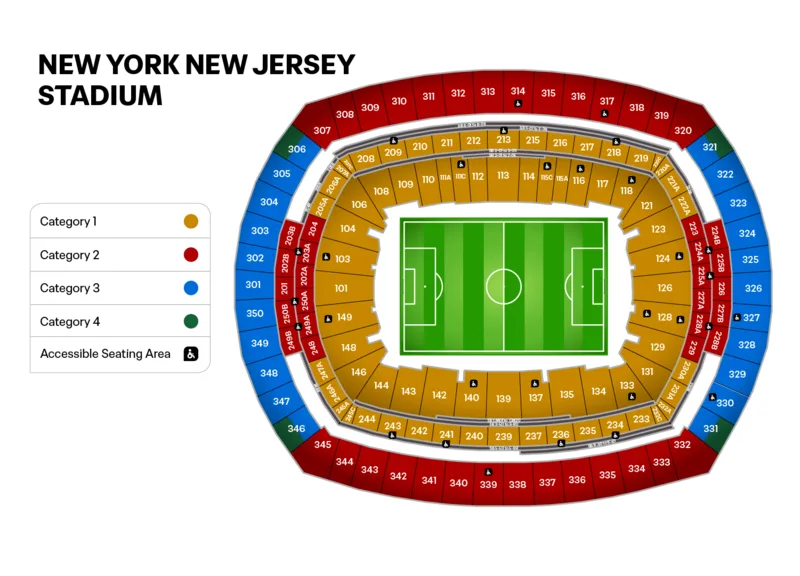
New York / New Jersey
MetLife Stadium
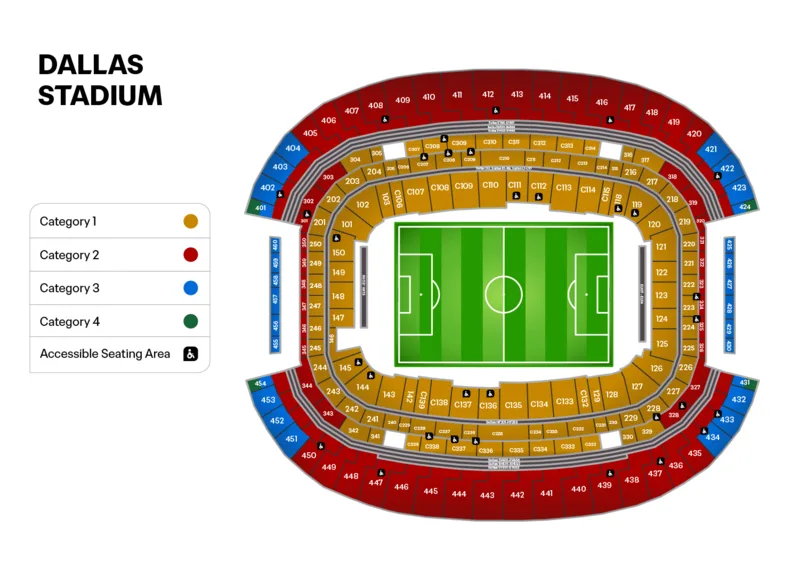
Dallas
AT&T Stadium
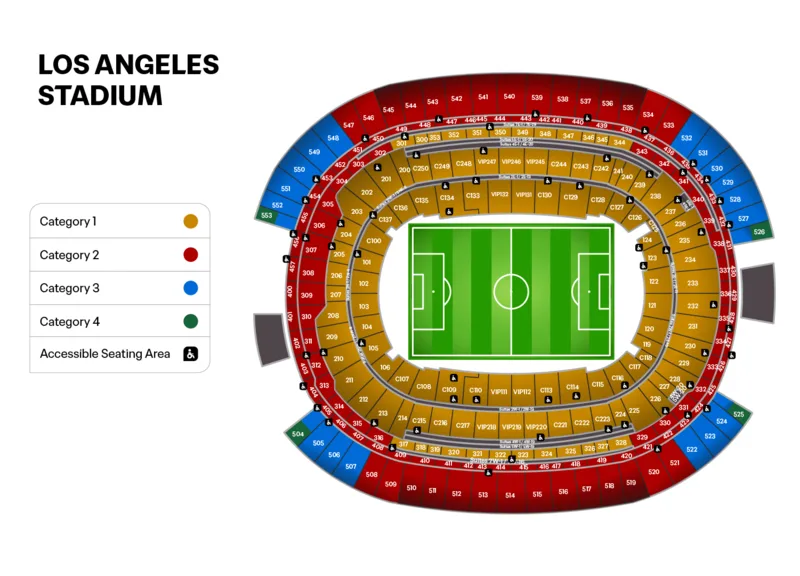
Los Angeles
SoFi Stadium
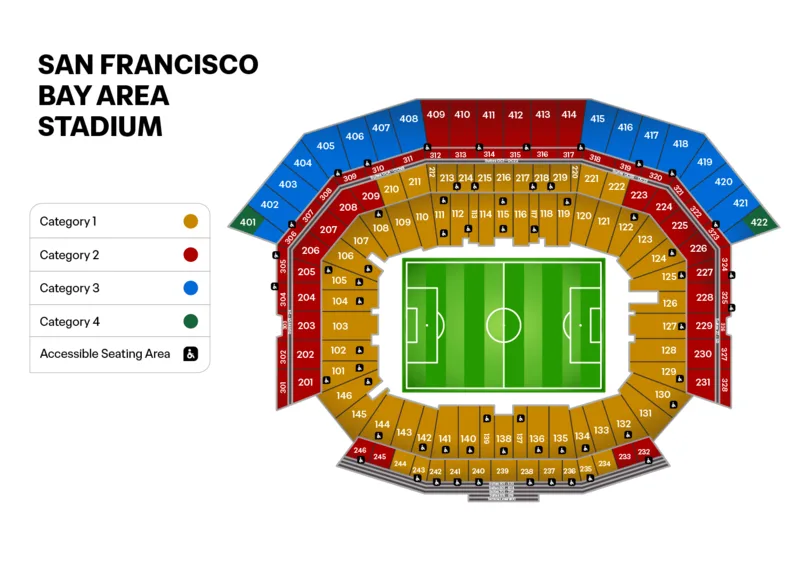
San Francisco
Levi's Stadium
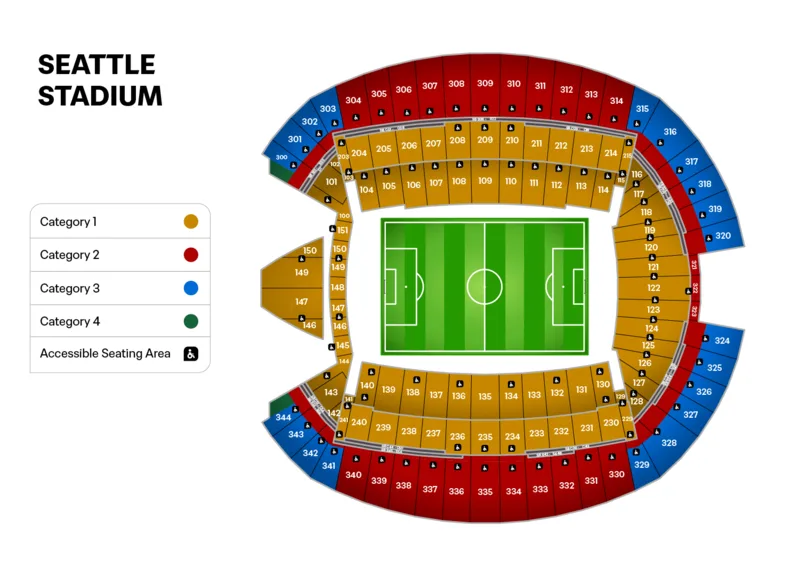
Seattle
Lumen Field
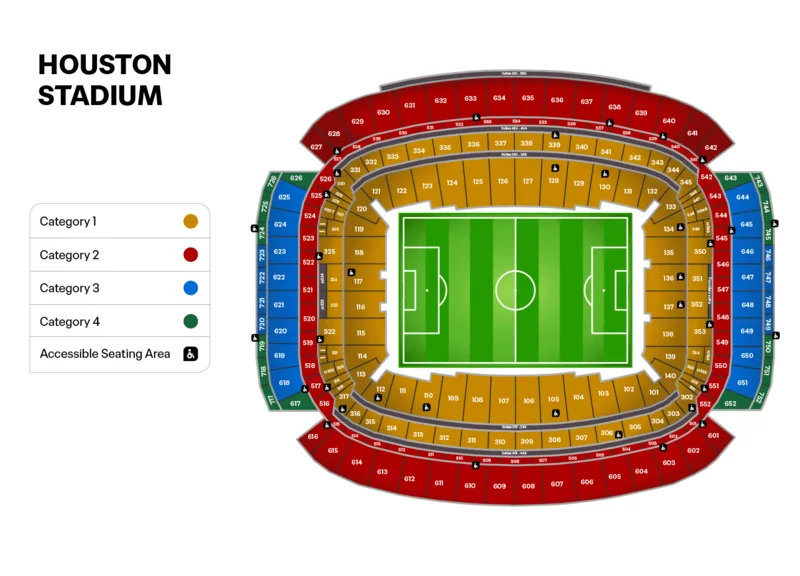
Houston
NRG Stadium
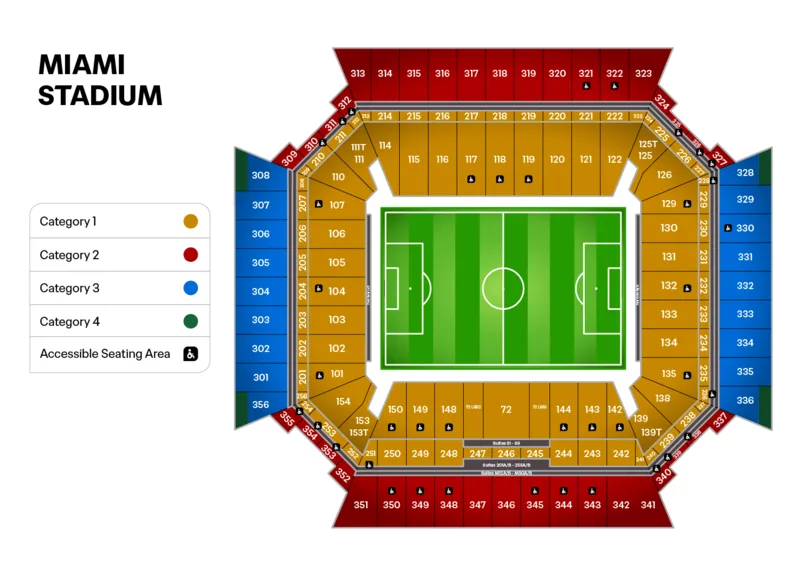
Miami
Hard Rock Stadium
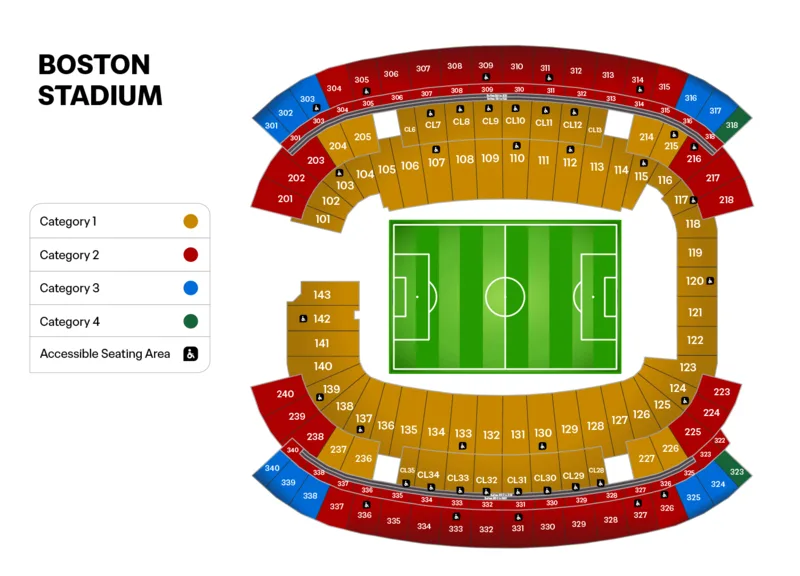
Boston
Gillette Stadium
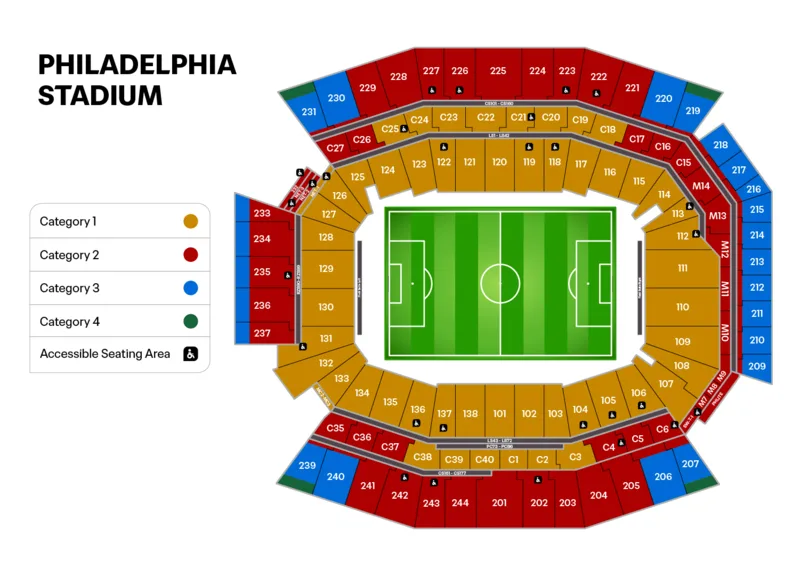
Philadelphia
Lincoln Financial Field
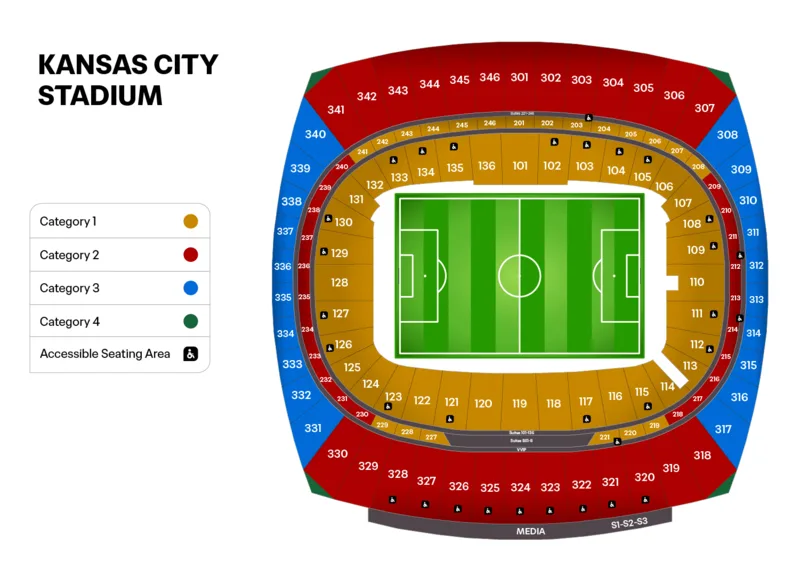
Kansas City
Arrowhead Stadium
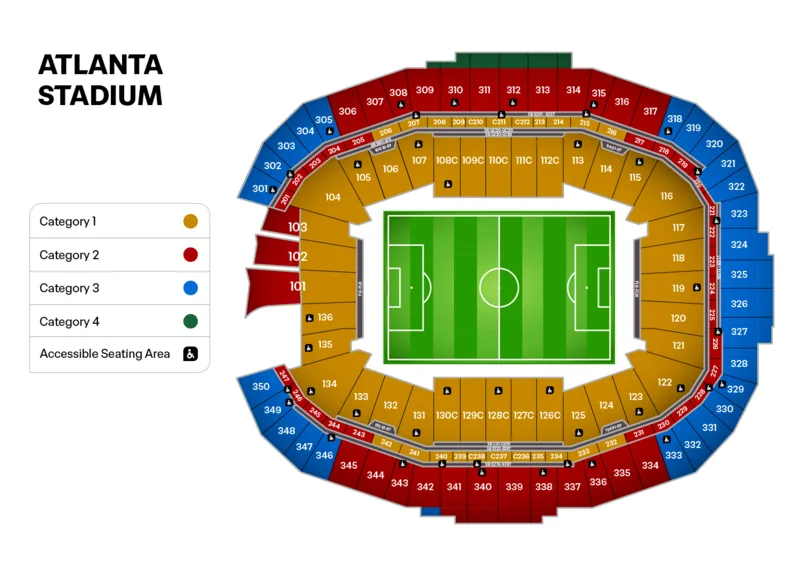
Atlanta
Mercedes-Benz Stadium
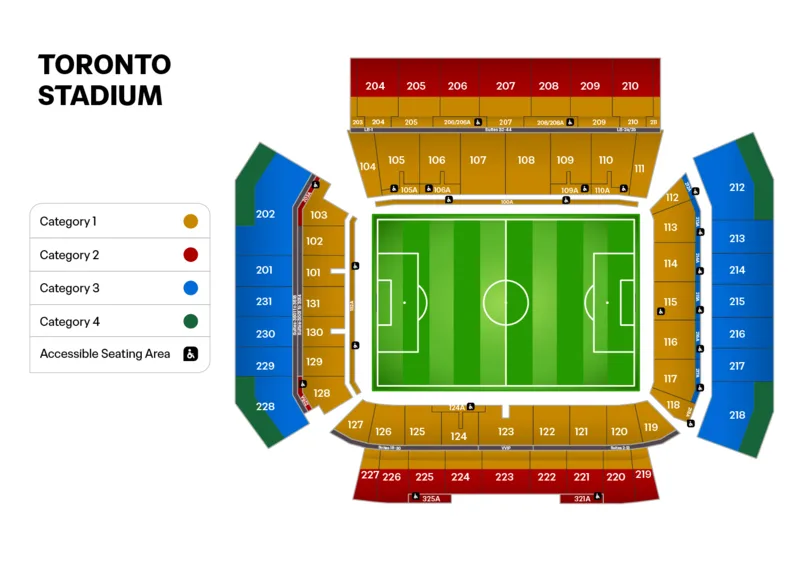
Toronto
BMO Field
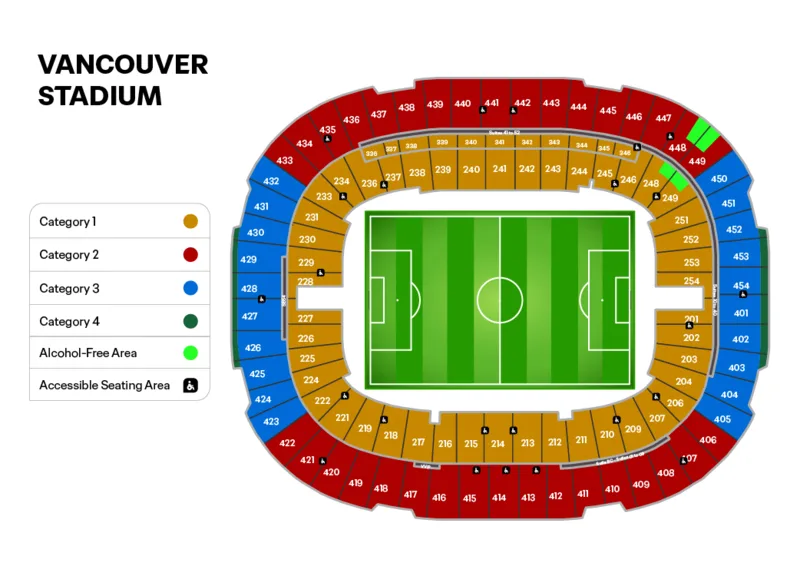
Vancouver
BC Place
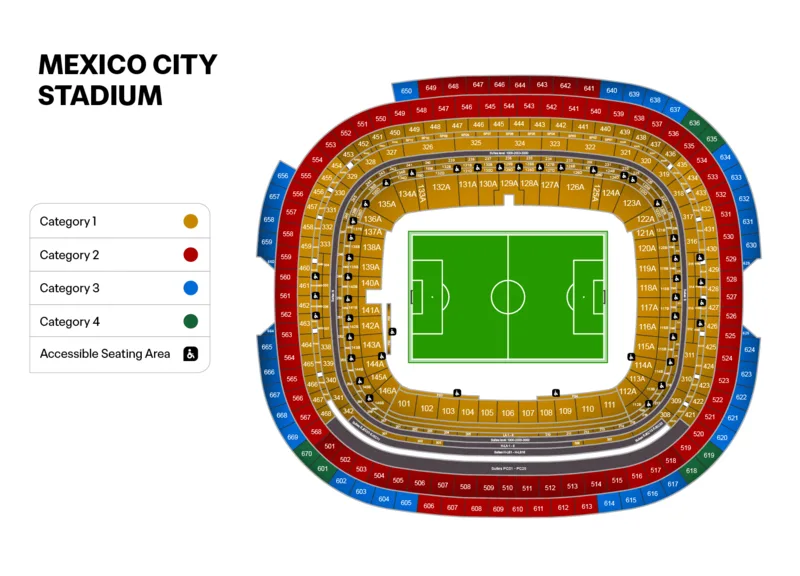
Mexico City
Estadio Azteca
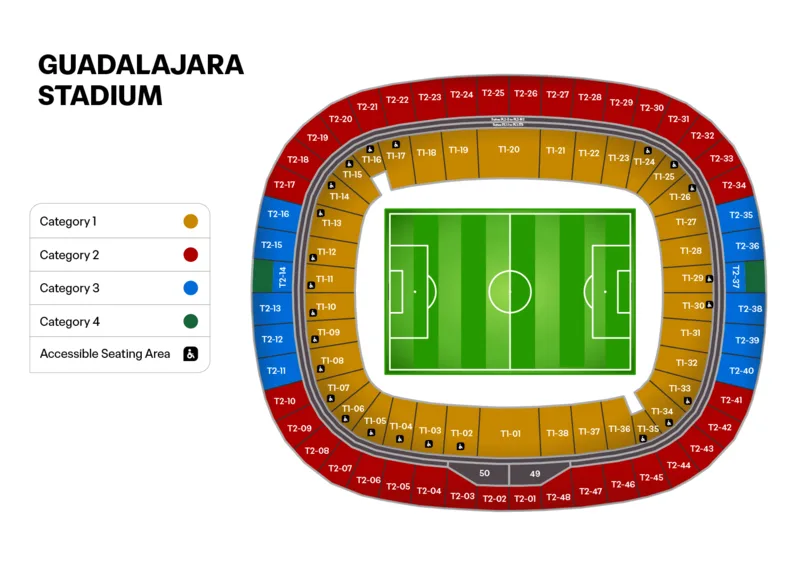
Guadalajara
Estadio Akron
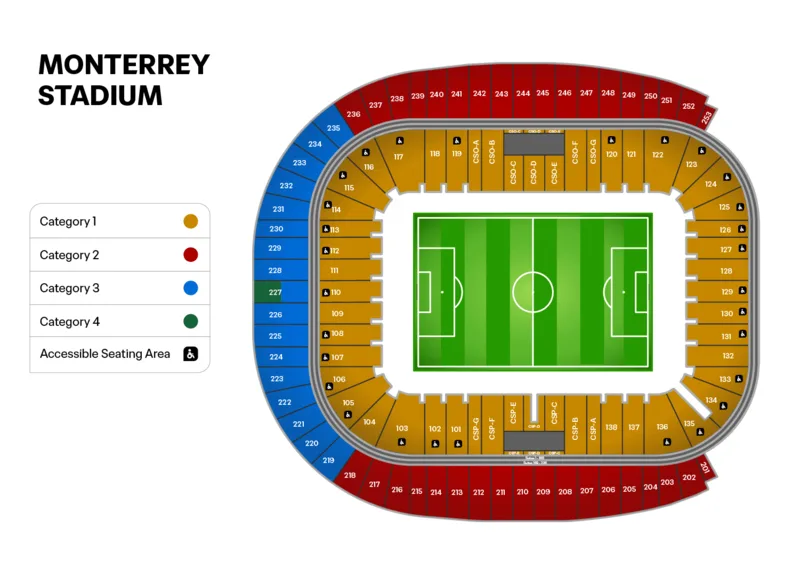
Monterrey
Estadio BBVA